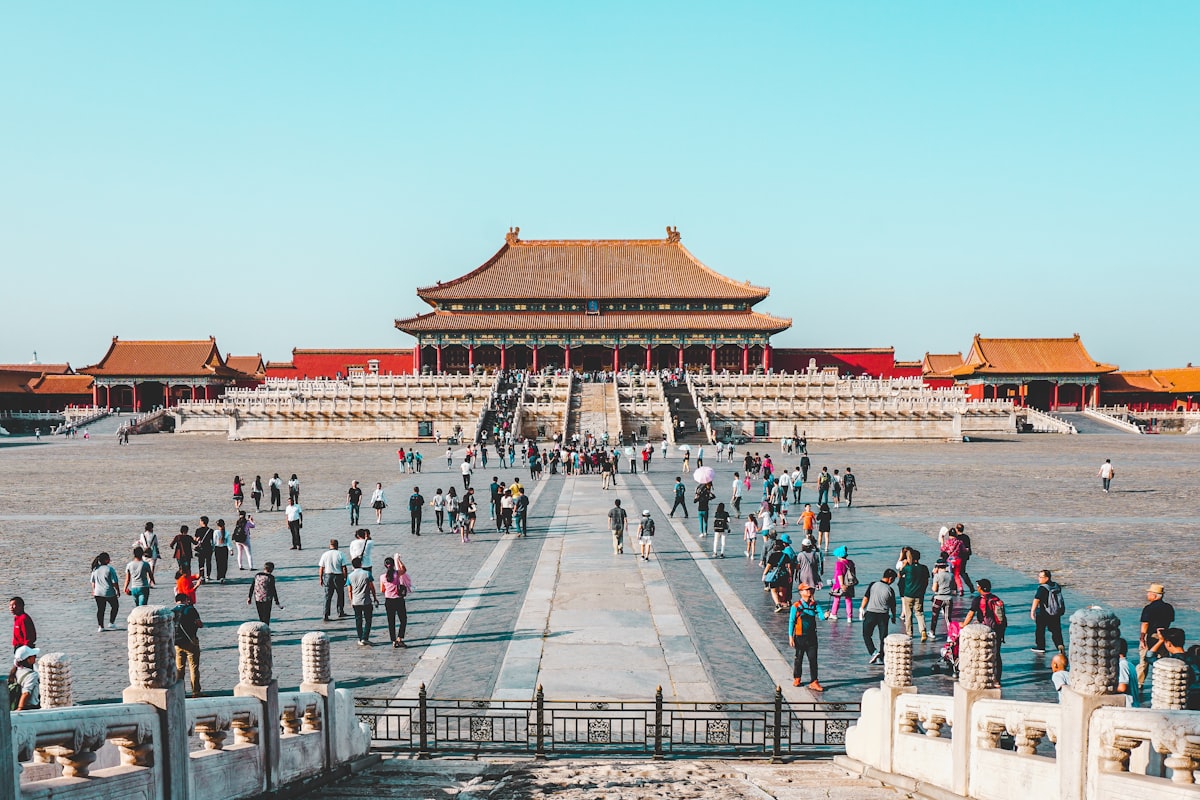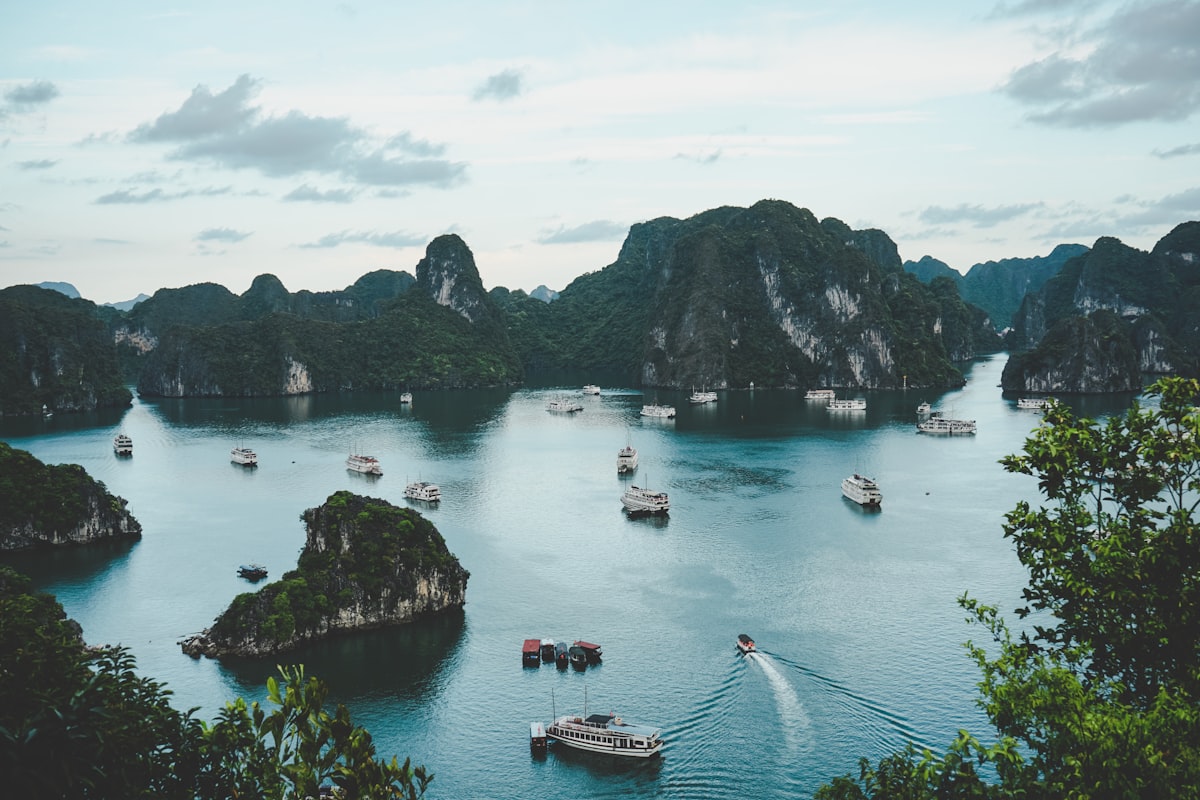
When travelers think of China, they picture the Great Wall and Terracotta Warriors. But China is a continent-sized country with staggering geographic and cultural diversity —from the world's highest peaks to sub-tropical rainforests, from ancient Silk Road oasis towns to hypermodern megacities.
⛰ Mountains & Deserts —The Wild West
China's western provinces are a geological wonderland. The Taklamakan Desert in Xinjiang stretches over 330,000 square kilometers —one of the world's largest sand deserts, ringed by the snow-capped Tianshan and Kunlun Mountains. The Tibetan Plateau, averaging 4,500 meters, is the "Roof of the World." Between them: the rainbow-striped Zhangye Danxia, the gravity-defying sandstone pillars of Zhangjiajie, and the sacred peak of Mount Kailash.
📌 Quick Fact: The Taklamakan Desert is larger than Germany. Its name means "Once you go in, you never come out" in Uyghur.
🌴 Tropical & Coastal —The Southern Escape
Head south to Hainan Island, China's answer to Hawaii —palm-fringed beaches, tropical rainforests, and luxury resorts year-round. Xiamen offers European colonial architecture on Gulangyu Island. Qingdao, with its German-built old town and Tsingtao beer, is one of China's most pleasant coastal cities. China's 18,000-kilometer coastline holds countless undiscovered corners.
👥 56 Ethnic Cultures —Humanity's Mosaic
Beyond the Han majority, China officially recognizes 55 ethnic minority groups, each with distinct languages, costumes, festivals, and cuisines. In Kashgar, Uyghur traders have haggled for a thousand years. In Gannan, Tibetan monks chant before towering Buddha statues. In Guizhou, Miao women wear silver headdresses weighing several kilograms. The Dai people of Xishuangbanna celebrate the Water-Splashing Festival each April. Traveling China's ethnic regions is like visiting 55 countries within one.
🏯 5,000 Years of History —Layers of Civilization
The Hemudu Culture near Shanghai dates back 7,000 years. Oracle bones from 3,200 years ago record the earliest Chinese writing. The Silk Road — ,000 years of trade, art, and exchange —left behind the Mogao Caves, Jiayuguan Fortress, and Kashgar's vibrant bazaar culture. In China, the past is woven into daily life —from tea houses on 800-year-old streets in Chengdu to Pingyao's courtyard homes.
📚 Did You Know? The Mogao Caves near Dunhuang contain 45,000 square meters of murals —if laid end to end, they would stretch 30 kilometers.
🌃 Futuristic Cities —Tomorrow, Today
Contrast the ancient with the futuristic. Shanghai's Pudong skyline, anchored by the twisting Shanghai Tower, looks like sci-fi. Shenzhen, a fishing village 40 years ago, is now a global tech capital. Beijing's 798 Art District reimagines a decommissioned factory as a world-class contemporary art hub. In Chongqing, elevated trains pass directly through apartment buildings.
🐏 The Silk Road: Where It All Comes Together
Perhaps no route better exemplifies China's diversity than the Silk Road. In a single two-week journey, you can wander Xi'an's Muslim Quarter where Arabic signs hang beside Tang Dynasty architecture, watch sunrise paint the rainbow-striped Zhangye Danxia, ride a camel across Dunhuang's Singing Sand Dunes, explore Kashgar's mud-brick maze and legendary Sunday market, and cross the Karakoram Highway into Pakistan. The Silk Road doesn't just connect places —it connects worlds.
📝 Practical Travel Tips
| ✈ Visa | Most nationalities need a tourist (L) visa. Apply at least one month in advance. |
| 🌦 Best Seasons | Spring (April—揗ay) and autumn (September—揙ctober) for comfortable temperatures. |
| 🚆 Getting Around | World's largest high-speed rail network. Beijing—壌hanghai (1,300km) in under 4.5 hours. |
| 💬 Language | English is limited outside major cities. Translation apps + a local guide make navigation seamless. |
| 💰 Payment | WeChat Pay & Alipay dominate. Foreign credit cards increasingly accepted at hotels and attractions. |
Whether you seek epic landscapes, cultural immersion, ancient history, or futuristic cityscapes, China delivers in ways no other single country can. Start with the Silk Road —and discover a world within a country.